Events & Community
How to Organise a Community Event Without a Marketing Budget
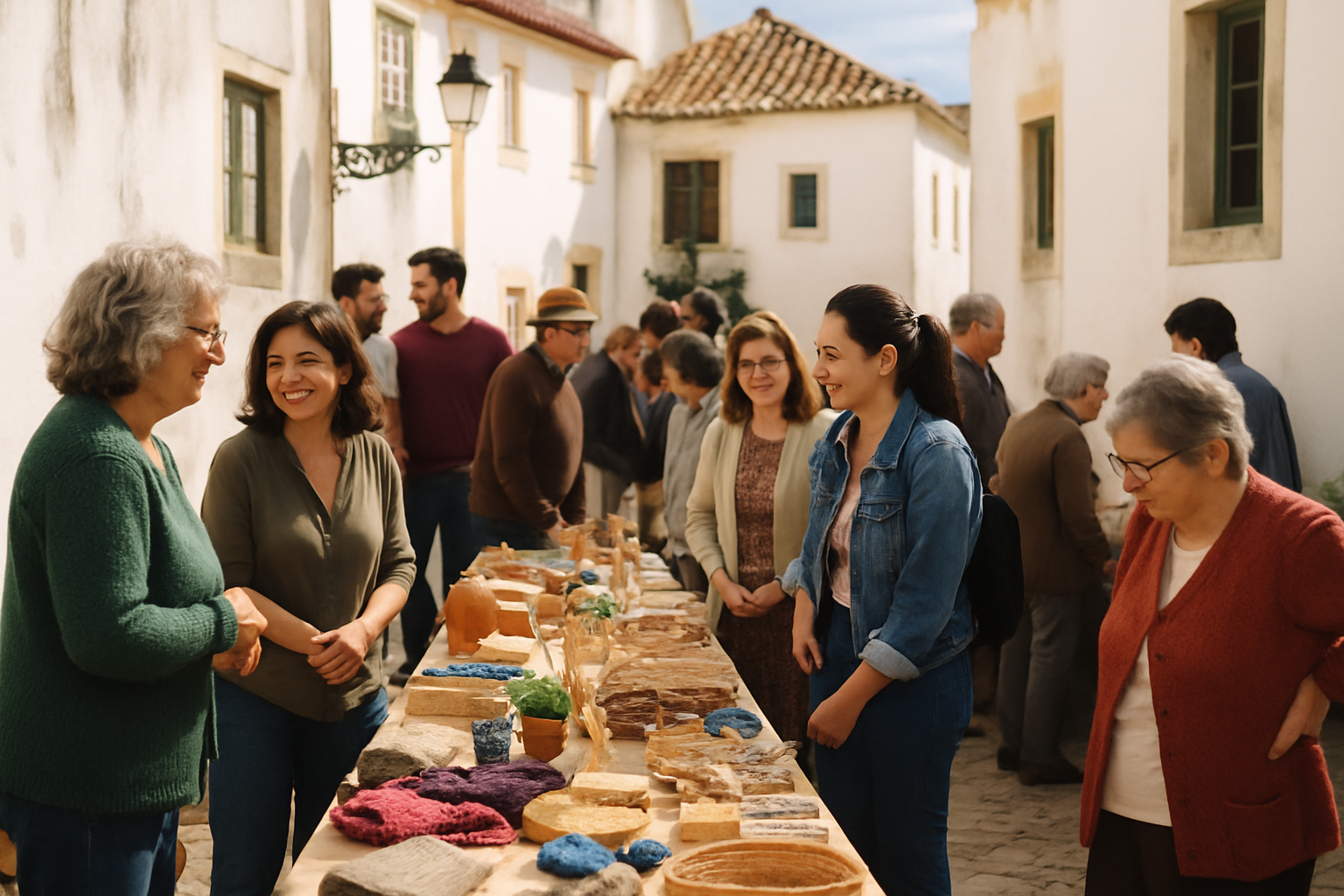
How can you organise a community event without a marketing budget?
Start with a clear reason to gather
You can organise a community event without a marketing budget by giving people one clear reason to gather, involving trusted local partners and existing groups early, and making the invitation easy to share. Prioritise direct invitations over public posts, keep practical details simple, and create a next step that helps relationships continue.
A zero-budget approach is not about posting more often or asking people to promote something vague. It is about making the event relevant enough that local people, groups and businesses understand why it matters and feel comfortable passing the invitation on.
What a zero-budget event plan should prioritise
Prioritise the elements that make a gathering possible:
- A specific audience and a useful shared interest
- One simple format that matches your available time and team
- A welcoming venue, date and timetable
- Direct outreach to people and organisations already connected to the audience
- Clear roles for organisers and volunteers
- A simple way to stay in touch after the event
Do not try to copy the communications plan of a large festival or brand launch. A small event can begin with a small, well-defined group. People who have a reason to return, contribute or invite someone next time are more valuable than broad but disconnected attention.
What makes people show up when you cannot pay for promotion?
Choose a specific audience and a clear shared interest
Start by naming who the event is for. “Everyone in town” is difficult to reach and difficult to plan for. “People who want to swap plants,” “local makers who need a place to meet,” or “parents looking for a calm Saturday activity” gives you a clearer invitation.
Ask three questions:
- What do these people already care about?
- Where do they already spend time, online and offline?
- What would make this gathering worth leaving home for?
The answer can be practical, social or cultural. A useful skill, an introduction to local makers, a shared meal, a conversation or a chance to take part can all give people a reason to attend.
Create an event promise people can explain in one sentence
Write a one-sentence promise before writing a long description. For example:
A relaxed evening for local creatives to meet, share work and swap useful contacts.
This is easier for a partner, volunteer or attendee to repeat than a long list of activities. Add the essential details beneath it: what is happening, who it is for, where and when it takes place, whether booking is needed, and what people should bring or expect.
Make the format welcoming, practical and easy to join
People are more likely to attend when the effort feels manageable. Remove uncertainty where you can:
- State whether people can arrive alone.
- Explain the expected duration.
- Make the entry point obvious: a welcome table, host or sign.
- Use accessible language instead of insider terms.
- Offer a simple first activity, such as a prompt, name tag or shared table.
A first-time attendee should not need to know someone already to feel welcome.
How do you plan a community event with limited resources?
Set one main goal and a small set of success measures
Start with the event’s purpose. Choose one main goal rather than trying to achieve everything at once. You might want to introduce neighbours, test interest in a recurring format, give local makers a place to share work, or create a moment around a local issue.
Choose a few measures that match that goal. They can be simple:
- Number of people who attended or registered
- Number of first-time and returning attendees
- Number of partner organisations involved
- Conversations, contributions or activities completed
- Feedback received
- People who opt in to hear about the next event
These measures are not a verdict on the event. They help you decide what to adjust.
Build a simple event brief: audience, format, place, date, roles and next step
Keep the brief on one page so everyone involved can use it. Include:
| Item | What to decide |
|---|---|
| Purpose | The one reason this event exists |
| Audience | Who it is for and why they may care |
| Format | Workshop, market, walk, conversation, performance or mix |
| Place and date | Venue, arrival time, duration and weather plan if needed |
| Team | Who welcomes, hosts, documents and solves problems |
| Partners | What each partner contributes and receives |
| Promotion | Direct invitation list, partner channels and public posts |
| Next step | What attendees can do after the event |
This brief also helps when you explain the event to a potential venue, speaker or local business.
Use a week-by-week planning checklist
Start promoting a small community event once the date, place and basic format are confirmed. If you have several weeks, use the time for direct invitations and partner coordination rather than saving everything for one final post.
Four to three weeks before
- Confirm purpose, audience, venue, date and capacity.
- Invite partners, contributors and volunteers personally.
- Prepare the one-sentence event promise and practical details.
- Make a list of existing communities and local spaces to contact.
Two weeks before
- Publish the announcement.
- Give partners a ready-to-share message and image.
- Begin personal invitations to people who may enjoy or contribute to the format.
- Check equipment, accessibility, permissions and materials.
One week before
- Share what people will experience: a maker, activity, question or programme moment.
- Confirm team roles and partner responsibilities.
- Ask contributors and volunteers to invite their own circles.
- Send a practical reminder to registered attendees, if relevant.
Two days before and on the day
- Repeat the essential details: time, place, arrival information and what to bring.
- Prepare welcome materials, signs and a contact list only if people have clearly agreed to receive updates.
- Brief the team on the programme, roles and how to handle questions.
Decide what must be paid for, borrowed, donated or simplified
A limited budget needs clear choices. List every requirement and assign it to one of four categories:
- Must be paid for: costs that protect safety, access or the core event experience.
- Can be borrowed: tables, chairs, extension leads, displays or basic equipment.
- Can be contributed: skills, materials or time offered by partners and volunteers under a clear agreement.
- Can be simplified: decorative extras, complex production elements or activities that stretch the team too far.
Be transparent about what you are asking for. A contribution should have a defined role, timeframe and acknowledgement—not an open-ended expectation of free work.
Which local partners can help promote a community event?
Map partners who already serve the people you want to reach
The most relevant partners are not always those with the largest audience. Look for people and organisations with a genuine relationship to the group you want to welcome.
Depending on the event, this might include cafés, independent shops, schools, libraries, cultural spaces, sports groups, neighbourhood associations, makers, artists, local media or social initiatives. Start with connections that fit the event’s purpose.
Make a concrete, fair collaboration ask
A useful partnership proposal answers four things:
- What is the event and who is it for?
- Why is this relevant to the partner and their community?
- What specific contribution are you asking for?
- What will you provide in return, such as a named role, space to contribute, acknowledgement or shared content?
For example, ask a local ceramics studio to lead a short activity, share the event with its community and bring a small number of pieces for display. In return, name the studio in the programme and make its contribution visible on the day.
Give every partner a ready-to-share event message and visual
Do not make partners recreate your communications. Send a small sharing pack containing:
- The one-sentence event description
- Date, time, place and booking details
- A short caption they can adapt
- One clear image or visual
- A contact person for questions
This makes collaboration easier while leaving room for partners to add their own perspective.
Coordinate responsibilities without turning partners into free advertising channels
Partnerships are more useful when partners help shape the event, not only distribute posts. Agree on what each person is responsible for and keep communication light but regular. A shared document with deadlines, contacts and deliverables is often enough.
Thank partners publicly where appropriate, but do not promise outcomes you cannot control. Aim for a fair, useful collaboration around a shared local event.
How can you promote an event organically?
Use direct invitations before public posts
Personal invitations are a useful first step. Begin with people who already know the organiser, venue, contributors or partners. Tell them why you thought of them specifically, rather than sending a generic message to everyone.
A short invitation can be enough: “We are hosting this because we want local makers to meet each other. I thought you might enjoy it—would you like to come or bring someone?”
Create a simple content sequence
Organic social media promotion needs a clear sequence, not endless new ideas:
- Announcement: what it is, who it is for, date, time and place.
- Reason to attend: the shared interest, a contributor, activity or local story.
- Practical details: arrival information, accessibility, booking and what to bring.
- Reminder: a friendly final prompt with the essentials repeated.
Use the same core message across channels. Repeating practical information helps people act; it does not mean you lack creativity.
Share through community spaces, mailing lists and relevant local groups
Choose spaces where the intended audience already pays attention. This may be a partner newsletter, a community noticeboard, a local group with relevant rules, a venue calendar or an existing mailing list where people have opted in.
Adapt the message to the context and follow each community’s posting rules. Explain why the event is relevant to that space.
Ask speakers, makers, volunteers and attendees to invite their own circles
People are more comfortable sharing when they know exactly what to say. Give contributors a short message, then let them personalise it. You can also ask early attendees a simple question: “Is there one person who would enjoy coming with you?”
Make practical information easy to find and repeat
Every post, message or listing should lead to the same reliable details. Avoid changing timings, locations or booking instructions across channels. If something changes, update every public listing and tell registered attendees directly.
How do you create word of mouth before the event?
Give people a participation role, not only an invitation
People may be more likely to talk about an event when they have a meaningful role in it. Invite them to bring a small object for a display, suggest a discussion question, nominate a maker, help welcome guests or contribute to a shared activity.
Participation must be optional and manageable. The goal is to create ownership, not pressure people into unpaid work.
Build moments people want to talk about and share
Think beyond promotion and consider the experience itself. A hands-on workshop, a local story, a visible collaboration or a chance to discover someone’s work can give people something concrete to mention afterwards.
Make these moments natural rather than staged. Genuine interactions give people a more meaningful reason to talk about the event than a request to “create content.”
Use a bring-a-friend prompt that feels natural
Make the invitation easy to extend: “Come with a neighbour,” “Bring someone who would enjoy this,” or “There is room for a friend.” This works best when the event is clear, low-pressure and welcoming to newcomers.
Avoid common zero-budget promotion mistakes
Avoid these patterns:
- Posting only once and expecting people to remember.
- Explaining the event with too many vague words and too few practical details.
- Asking partners to share without giving them useful materials.
- Treating volunteers as a replacement for clear planning.
- Making people feel guilty for not promoting the event.
- Forgetting to tell attendees what happens next.
What should happen on the day of the event?
Assign clear roles for welcome, programme, documentation and problem-solving
Even a small event benefits from named responsibilities. One person may cover more than one role, but everyone should know who is doing what.
- Welcome: greet arrivals, answer basic questions and help newcomers enter the space.
- Programme: keep activities moving and communicate any changes.
- Documentation: take agreed photos or notes, and collect observations.
- Problem-solving: handle practical issues without disrupting the host or contributors.
Help first-time attendees feel included
Welcome is part of the programme. Introduce people when it feels useful, explain how the event works and make the first action obvious. Check whether someone standing alone needs information or simply a moment to settle in.
Capture consented photos, quotes and lessons for future communication
Document the event with care. Before taking or sharing identifiable photographs, make sure you have appropriate consent. If you collect comments, ask whether they can be used publicly and whether a name should be attached.
Alongside photos, record practical lessons: what people arrived for, where the timetable slowed down, what questions came up and what the team would change next time.
Collect contact details only with clear permission and a stated purpose
If you invite people to receive future news, explain what they will receive and how often. Do not add contacts from a sign-in sheet to a mailing list without clear permission. A smaller list of willing subscribers is more useful than a list with unclear consent.
How do you keep the community active after the event?
Send a thank-you and share a short recap
Send a short message soon after the event to attendees, partners, contributors and volunteers. Thank people for their specific role, share any consented images or reflections, and include promised resources.
Ask one or two useful feedback questions
Keep feedback easy to answer. For example:
- What was the most useful or enjoyable part?
- What would make the next gathering more welcoming or useful?
Read the answers alongside your team notes. Feedback is most useful when it informs a future decision.
Invite attendees to the next small action
The next step does not need to be another large event. Invite people to reply with an idea, join a smaller session, suggest a contributor, share a resource or sign up for future updates. Community building continues between events.
Review what worked before planning the next event
Gather the organisers for a short debrief while details are fresh. Review your original goal and measures, then decide:
- What should stay the same?
- What should be simplified?
- Which partnerships felt genuinely useful?
- Which communication channel brought the most relevant conversations?
- What can happen next without creating unnecessary work?
What can organisers learn from Cardume Studio’s community events?
Cardume Colab Café: build a programme people can return to
Cardume Studio runs the events programme at Cardume Colab Café, including workshops, yoga, vintage markets and community days. The programme operates without a marketing team or advertising budget.
The lesson is not that every event should use the same format. A programme can give people more opportunities to return, contribute and bring others over time. Focus on the format, welcome and local relevance rather than trying to make every gathering feel like a major campaign.
Clube de Rua: create a shared local moment through collaboration
Cardume Studio organised the first Clube de Rua street festival in Esposende with NICE and the Municipality. The festival included music, exhibitions, workshops and an arts market.
This example shows how a community event can bring different activities and partners into one shared setting. Give each collaborator a clear place in the event and make the overall experience easy for people to understand and join.
Keep the learning practical
You do not need inflated numbers to learn from either example. When planning your own event, focus on what you can observe and improve: whether the invitation was clear, whether partners had a meaningful role, whether newcomers felt welcome and whether attendees had a reason to stay connected.
If you need help turning an event idea into a clear format, partner plan and community communication plan, talk to Cardume Studio. You can also explore Cardume Studio’s services for events and community work, see selected examples of our work, read more practical articles, or read the Portuguese version of this guide.